
Filler Words: What They Are, a Full List, and How to Cut Them From Speech and Transcripts
A full list of filler words sorted by type, why people use them, which to avoid, how to stop saying um, and how to remove filler words from a transcript.

Owen writes VoiceSnap's guides to dictation, speech-to-text and hands-free work on Mac and Windows: how the built-in tools compare, which shortcuts are worth learning, and where voice typing still falls short. He would rather talk a first draft than type it.
A full list of filler words sorted by type, why people use them, which to avoid, how to stop saying um, and how to remove filler words from a transcript.

Learn the Feynman Technique in four steps: explain a concept out loud, find the gaps, simplify and explain again. Includes three worked examples from work, a gap checklist and a way to keep your explanations.

60 numbered journal prompts in five groups (daily, work, decisions, gratitude, end of week), how to make a prompt specific, and how to answer prompts out loud as voice notes you can find again.
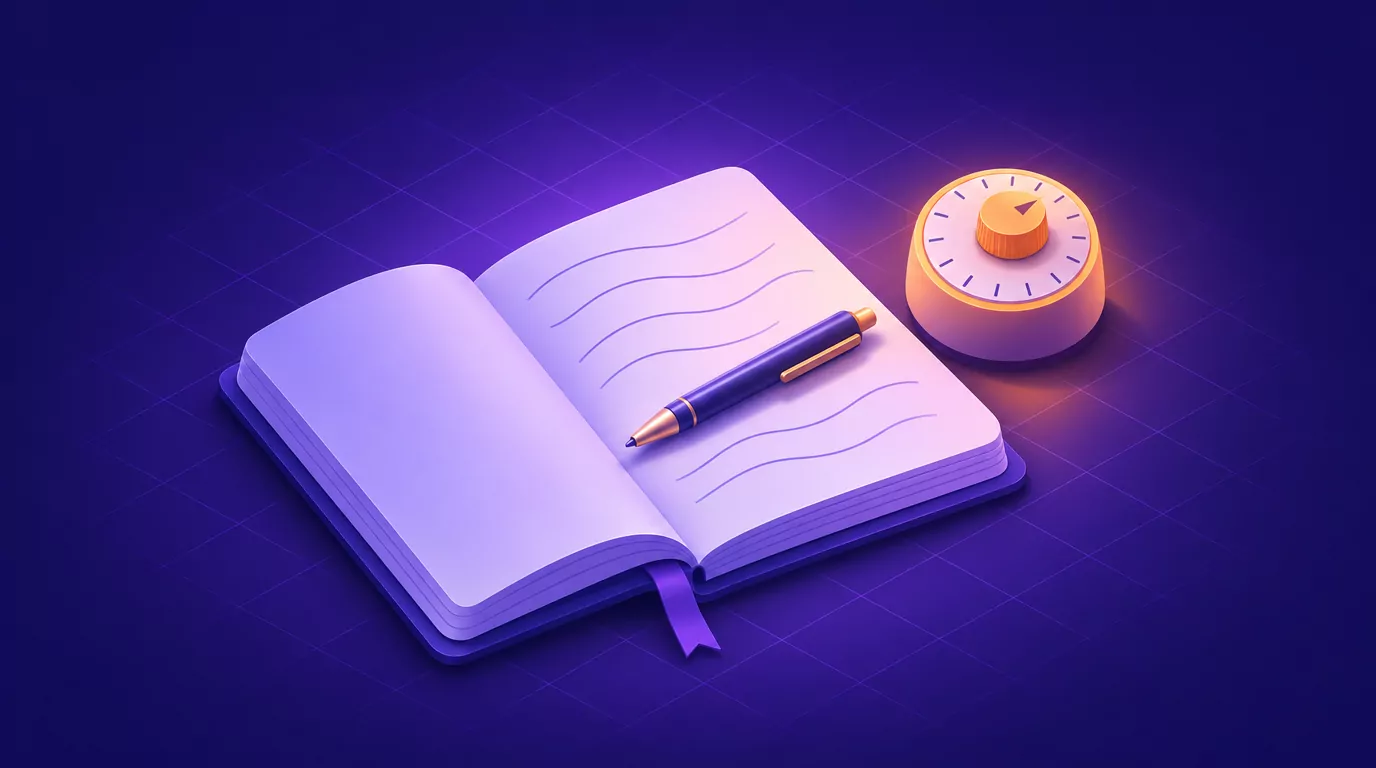
A practical guide to free writing: the timed rules, looping to find your point, 12 work-focused prompts, morning pages, and how to do a spoken free write when typing stalls.

What context switching means at work, what the research on switch costs, attention residue and the 23 minutes claim really found, and 7 desk habits to switch less.

A practical guide to deep work for people whose jobs are mostly replies and updates: deep vs shallow work, Newport's four rules and philosophies, a sample week, a capture habit and a shutdown ritual.

Why explaining a bug out loud finds it, an 8 step duck script that walks the data path, a worked time zone bug, using AI as the duck, and how to turn the explanation into your PR description.

Cognitive offloading frees working memory but costs recall. The evidence, the two real risks, and a table of what to offload vs keep in your head.

How to type with one hand on a Mac or Windows computer: hand position, Sticky Keys and one-handed Dvorak steps, mouse tips, and when to talk instead.
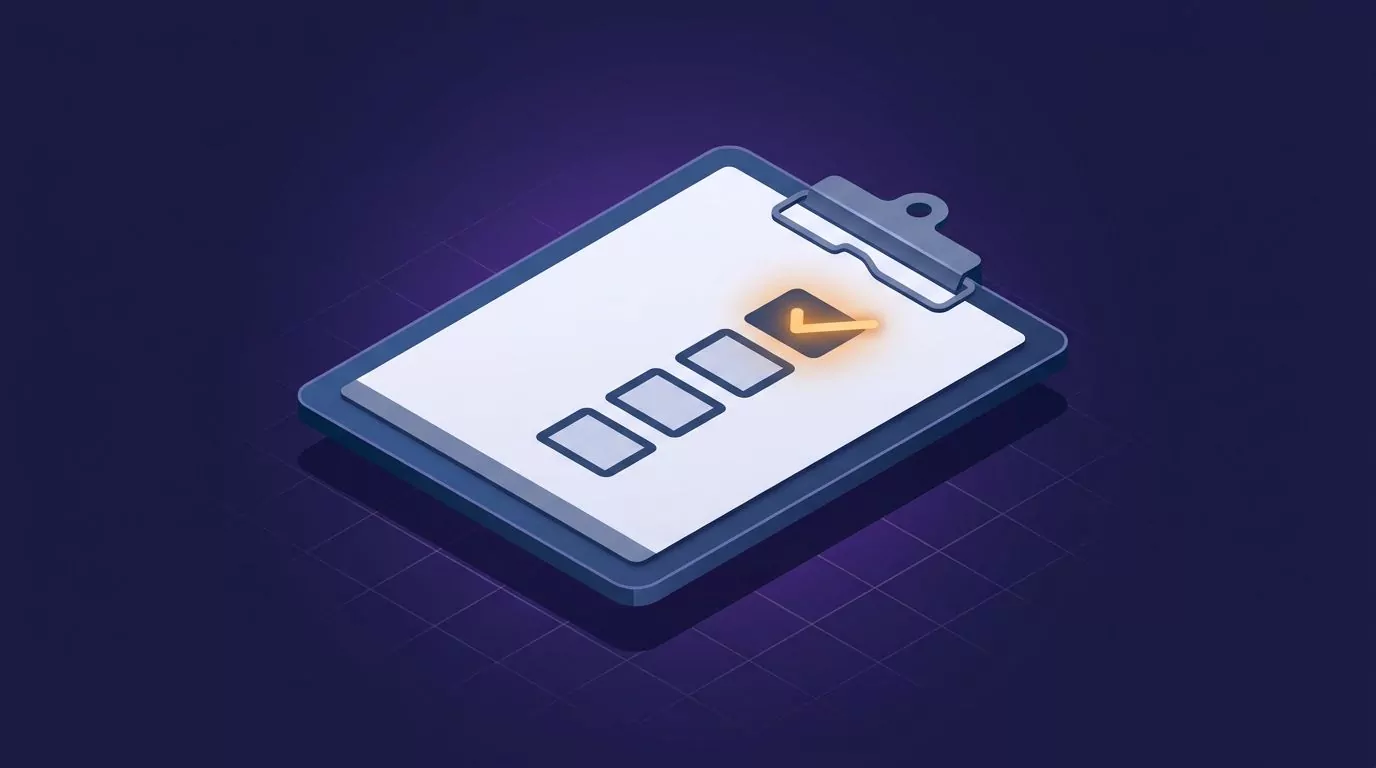
What an action item is, the four parts that make one get done (owner, verb, date, done-when), eight weak vs strong examples, and a 60 second spoken debrief for pulling action items out of your own voice after a call.

What the Zeigarnik effect is, what the research really shows, and the one-sentence plan that quiets an unfinished task when you get interrupted at work.
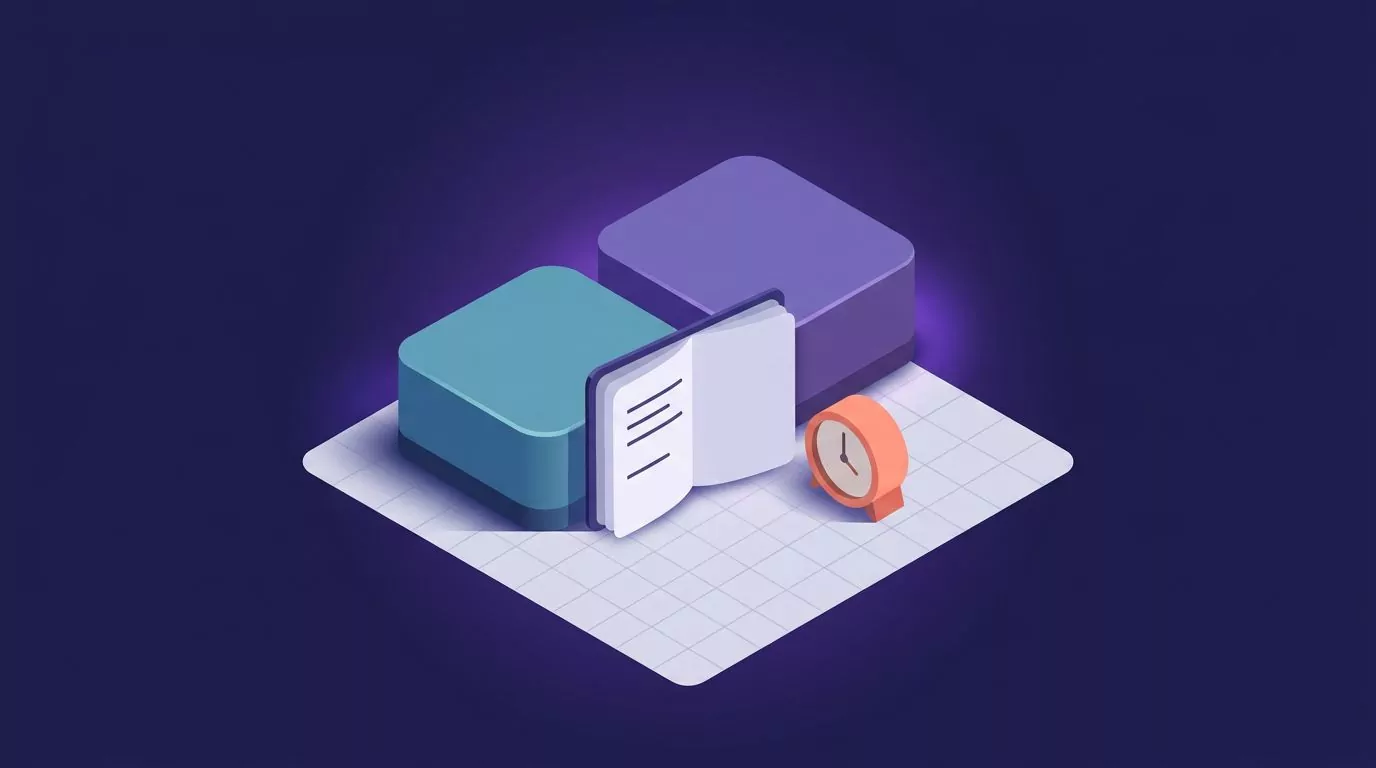
Interstitial journaling means noting the time, what you just finished and what is next at every task switch. Here is the method, a full sample work day, a 15 second spoken template, and how to turn the log into your standup.